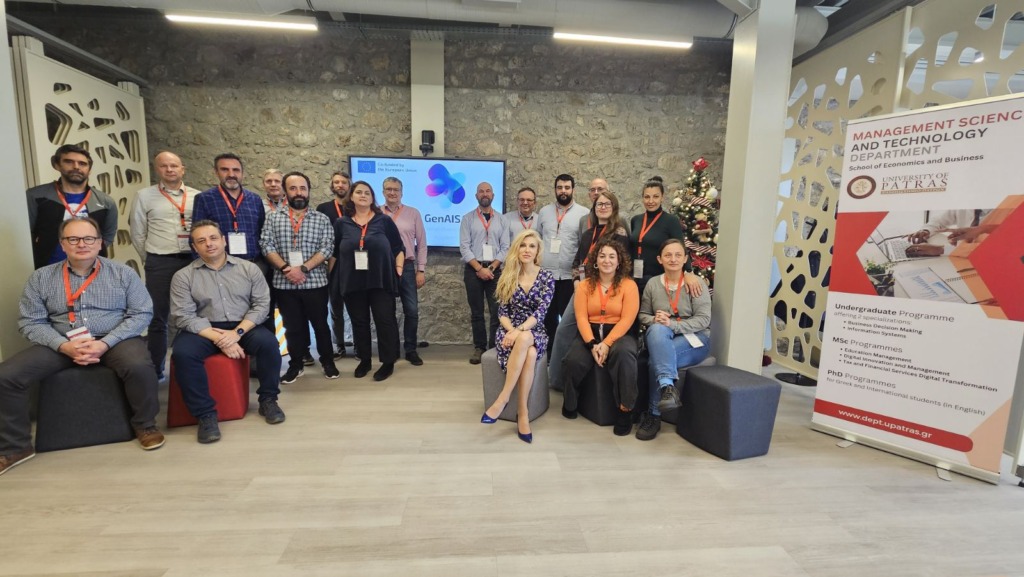
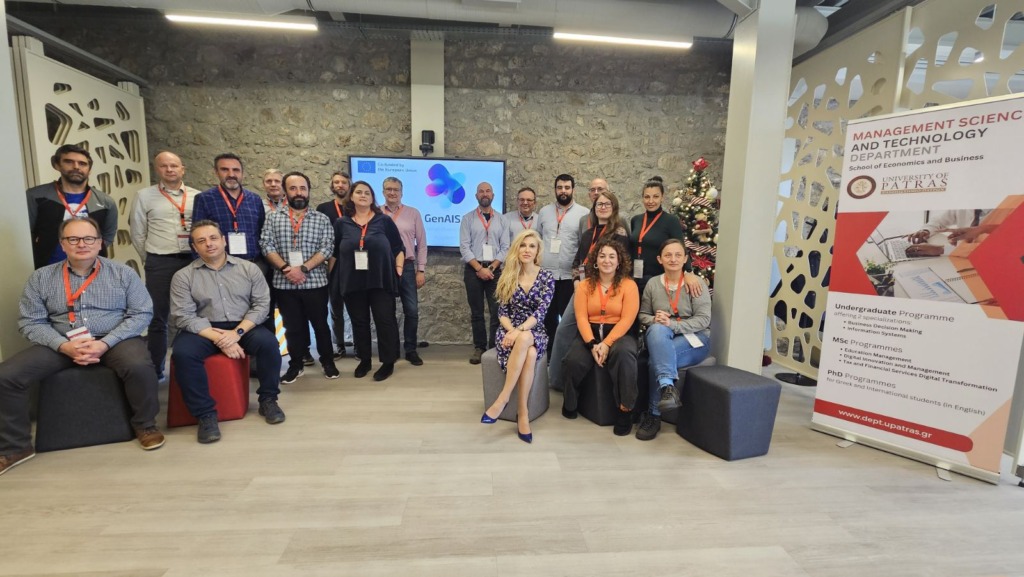
During the meeting, the consortium discussed the project’s key objectives and shared implementation strategy. A major focus was placed on the development of generative AI job profiles aligned with the ESCO framework, including roles such as Generative AI Engineer and Prompt Engineer. The partners also explored the creation of micro-credentials that will help formally recognise learners’ newly acquired competencies.
A comprehensive skills gap analysis was launched as one of the first major project activities. This will include the collection of data on existing training programmes, analysis of labour market needs and interviews with experts to better understand future demand in the field of generative AI. KTU’s involvement in this process will help ensure that the project outcomes are relevant, research-based and responsive to the needs of both learners and industry.
Innovative learning tools and piloting activities
The GenAISA partners agreed to use advanced research and development tools, including online surveys and job advertisement analysis, to support the design of targeted and future-oriented curricula. These insights will help shape learning content that reflects real labour market expectations and equips learners with practical skills in generative AI.
The project will also develop a range of digital learning solutions, including a Digital Skills Passport, a MOOC and a Virtual World. The first versions of these tools are expected to be prepared within the first six months of the project. Later, the resources will be tested through a piloting phase involving 200 beneficiaries across five countries.
Through this process, KTU will support the development and validation of educational resources that can be applied in diverse academic and professional environments, contributing to the broader European effort to strengthen digital and AI-related competencies.
KTU contributes to quality, impact and future-ready education
Quality assurance, risk management and long-term impact were among the key topics discussed during the kick-off meeting. The consortium agreed to apply a peer-review approach to maintain high standards throughout the project. Communication and dissemination activities were also discussed, including the creation of the project website, branding and outreach through social media channels.
For KTU, participation in GenAISA reflects the university’s commitment to advancing digital transformation, strengthening AI education and supporting the development of future-ready skills. By working together with international partners, KTU will help create educational resources that empower learners, educators and professionals to use generative AI responsibly, creatively and effectively.
The kick-off meeting marked the start of an ambitious European collaboration. With partners united by a shared vision, the GenAISA project aims to support innovation, sustainable growth and the development of skills needed for the AI-powered future.